The story
How Cluj became an art city
From a school of fine arts in 1926 to the Plan B Foundation in 2026: the gallery, the factory and the Venice pavilions that put Cluj on the contemporary art map. 12 milestones in four chapters, every one sourced.
01 · 1926–2004
Before the market
An art school with a century behind it, and artists who worked here for decades with no galleries to sell them.
-
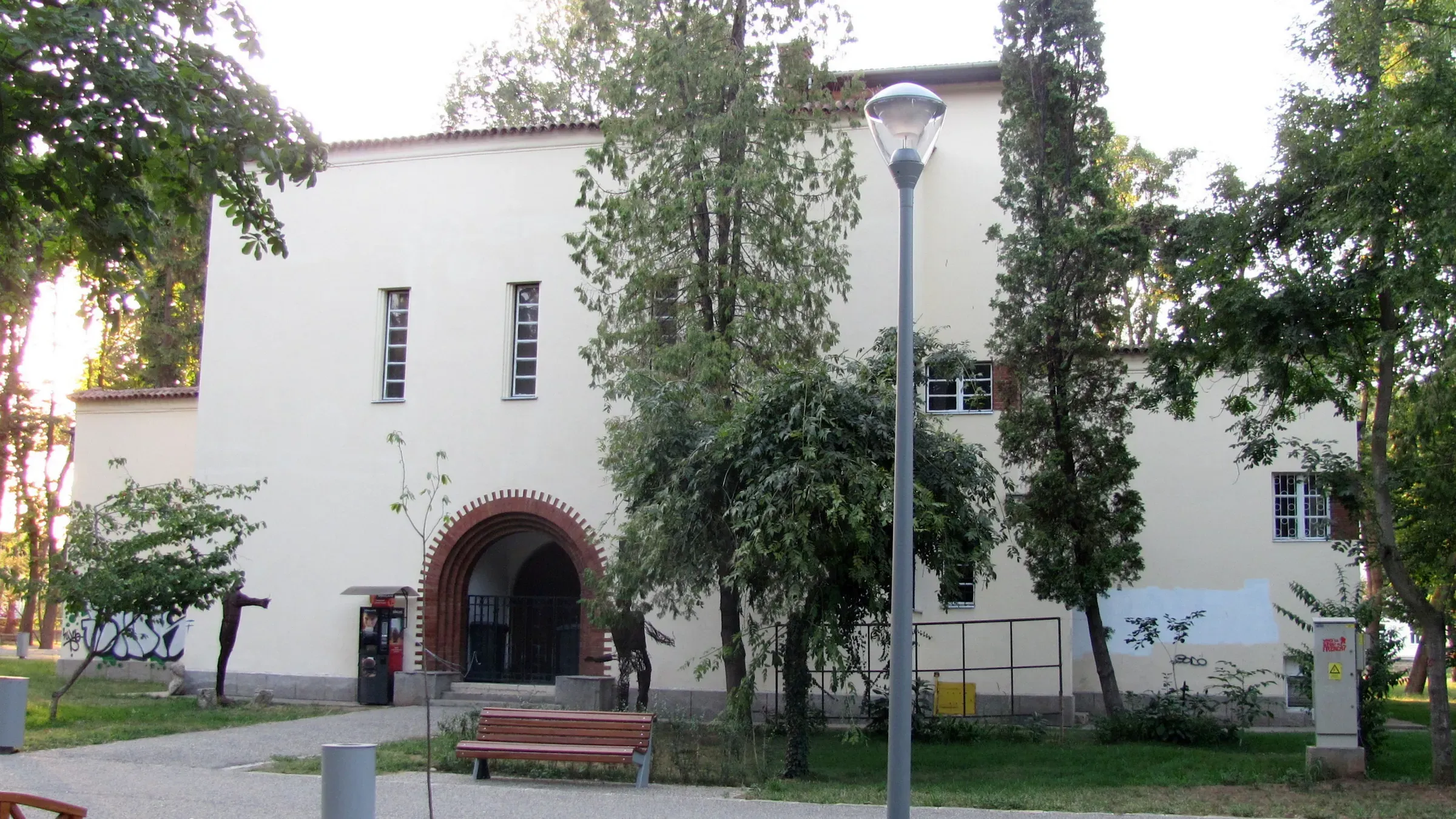
1926: A school of fine arts in Cluj
Cluj has had a school of fine arts since 1926. It has gone by several names: the “Ion Andreescu” Institute of Fine Arts from 1950 to 1990, the Academy of Visual Arts until 2001, and since then the University of Art and Design. Most of the artists in the story below studied here.
On BestCluj Universitatea de Artă și Design din Cluj-NapocaȘcoala de la Cluj
Sources: Wikipedia, Universitatea de Artă și Design din Cluj-Napoca (consulted 2026-10-19)
Ana Maria Catalina / Wikimedia Commons, CC BY-SA 3.0 -
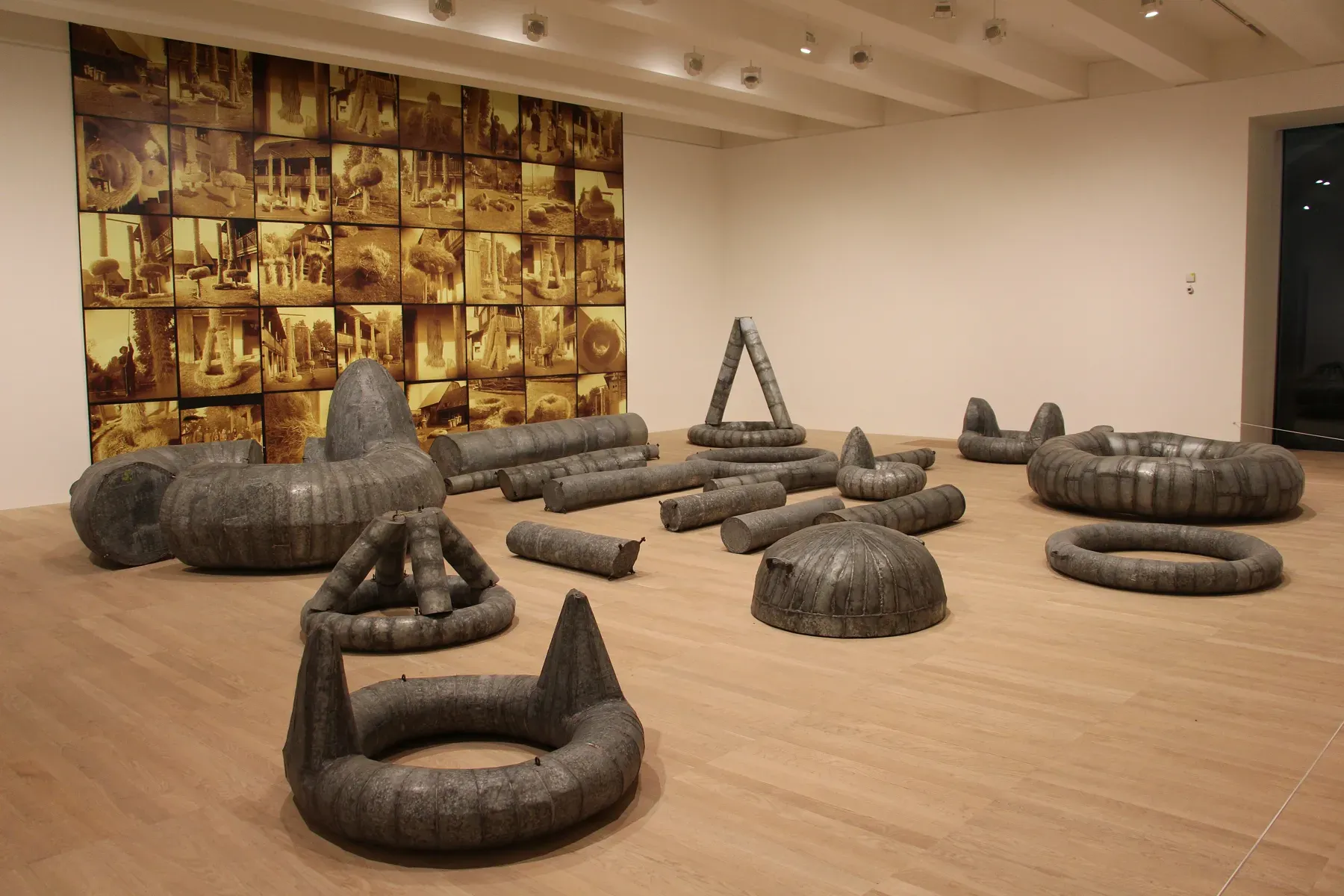
1962: Two artists who stayed
Cornel Brudașcu graduates from the Cluj art school in 1962 and stays in the city. Ana Lupaș, born in Cluj in 1940, begins “The Solemn Process” in 1964, made with rural communities in Transylvania until 2008. Recognition comes late for both: Brudașcu is in “The World Goes Pop” at Tate Modern in 2015, and Tate buys Ana Lupaș’s work in 2016.
On BestCluj Cornel BrudașcuAna Lupaș
Sources: Galeria Plan B, Cornel Brudașcu (consulted 2026-10-19) · Stedelijk Museum, Ana Lupaș (consulted 2026-10-19)
Fred Romero / Wikimedia Commons, CC BY 2.0
02 · 2005–2015
Plan B and the Cluj School
A gallery opened by a curator and a painter, a name other people gave a generation, and the first pavilions in Venice.
-
2005: Plan B opens
Mihai Pop, a curator, and Adrian Ghenie, a 28-year-old painter, open a gallery in Cluj as a space for production and exhibitions, in a city with no art market. They call it Plan B.
On BestCluj Galeria Plan BAdrian Ghenie
Sources: Gallery Weekend Berlin, portretul Plan B (consulted 2026-09-10)
-
2007: Venice, and a name given in Prague
Plan B organises Romania’s pavilion at the 52nd Venice Biennale, curated by Mihnea Mircan, with work by Victor Man and Cristi Pogăcean among others. That same year, at the Prague Biennale, the term “Cluj School” is used for the first time, by analogy with the Barbizon School and the Neue Leipziger Schule, for a generation that never called itself that.
On BestCluj Pavilionul României la Bienala de la VenețiaȘcoala de la ClujVictor Man
Sources: Gallery Weekend Berlin, portretul Plan B (consulted 2026-09-10) · Contemporary Art Issue, Contemporary art in Cluj (consulted 2026-09-10)
-
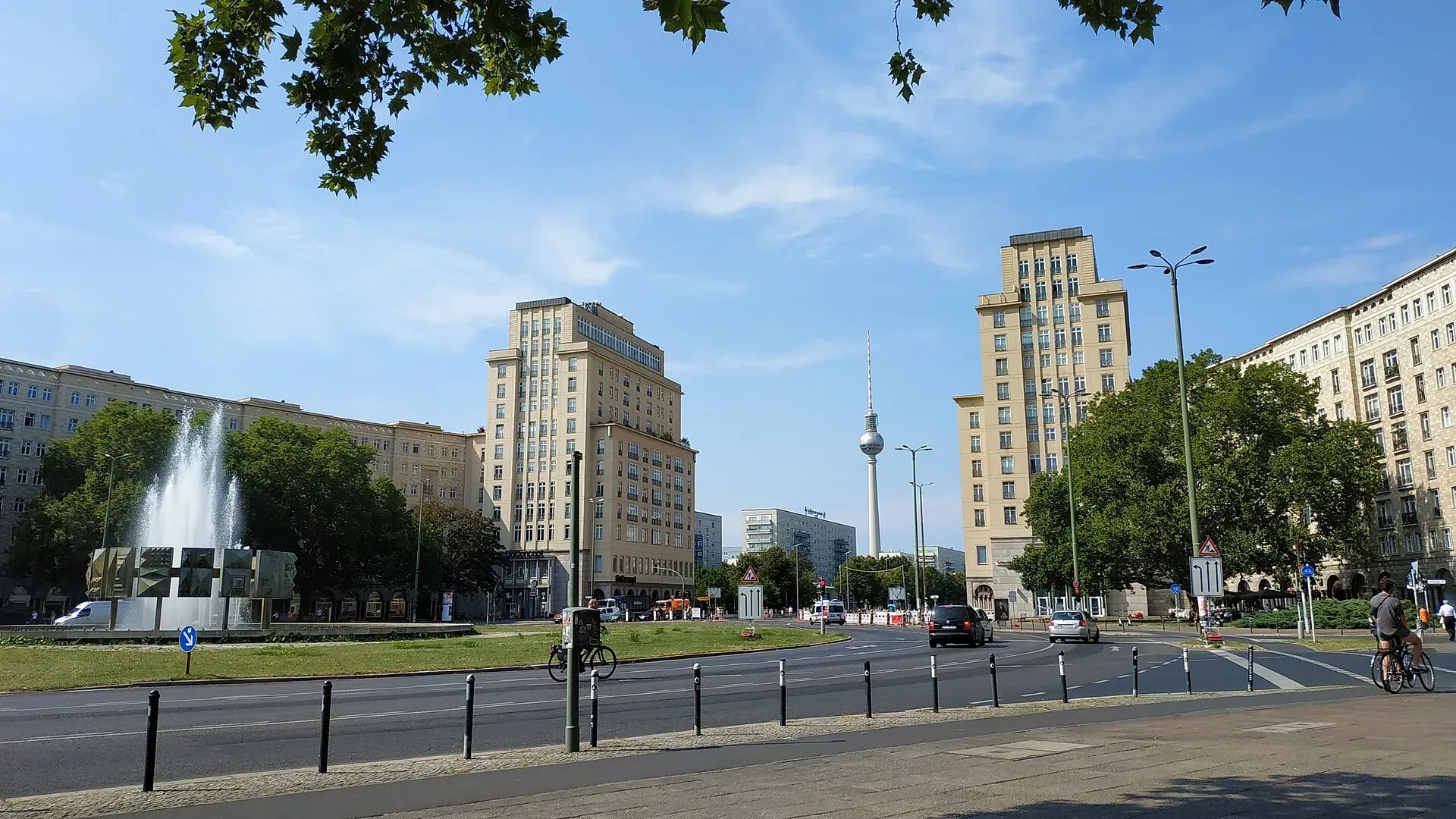
2008: Berlin
Plan B opens a permanent space in Berlin, at Strausberger Platz. The road from a Cluj studio to a German gallery now exists, and has been walked.
On BestCluj Galeria Plan B
Sources: Gallery Weekend Berlin, portretul Plan B (consulted 2026-09-10) · Fotografia: Wikimedia Commons (consulted 2026-10-19)
mibuchat / Wikimedia Commons, CC BY-SA 2.0 -
2009: Ciprian Mureșan in Venice
Ciprian Mureșan, born in Dej in 1977, a 2000 graduate of UAD Cluj who works in Cluj, represents Romania at the Venice Biennale. In 2017 he is in the Biennale’s main exhibition.
On BestCluj Ciprian Mureșan
Sources: Galeria Plan B, Ciprian Mureșan (consulted 2026-10-19)
-
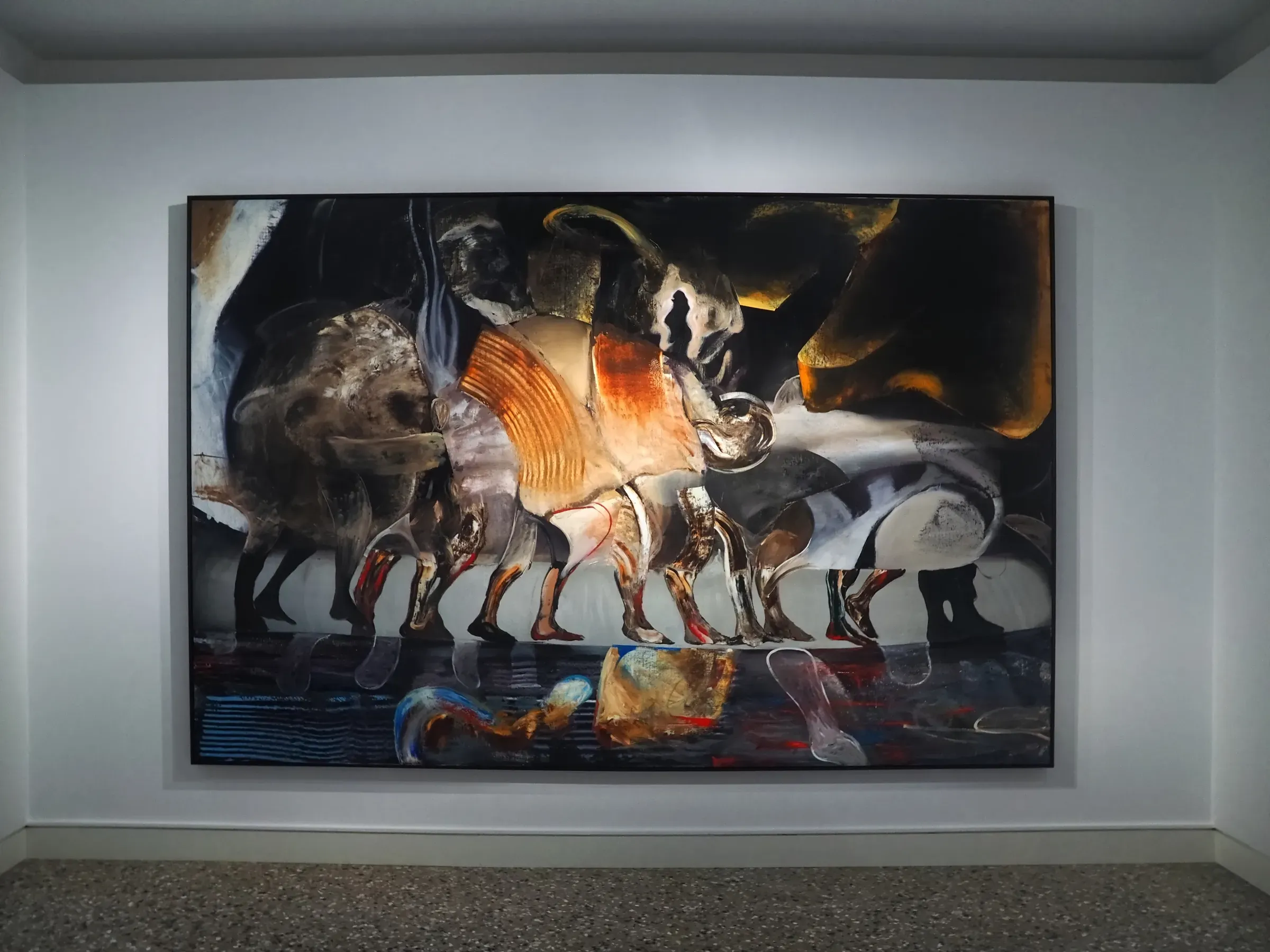
2015: Ghenie in Venice
Mihai Pop curates Romania’s pavilion at the 56th Biennale, showing work by Adrian Ghenie. The second time in eight years that Plan B is behind the national pavilion.
On BestCluj Adrian GheniePavilionul României la Bienala de la Veneția
Sources: Gallery Weekend Berlin, portretul Plan B (consulted 2026-09-10)
Dreamstime

03 · 2009–2022
The Paintbrush Factory
Thirteen years in which the address of Cluj art was a factory in Mărăști.
-
2009: The Factory opens
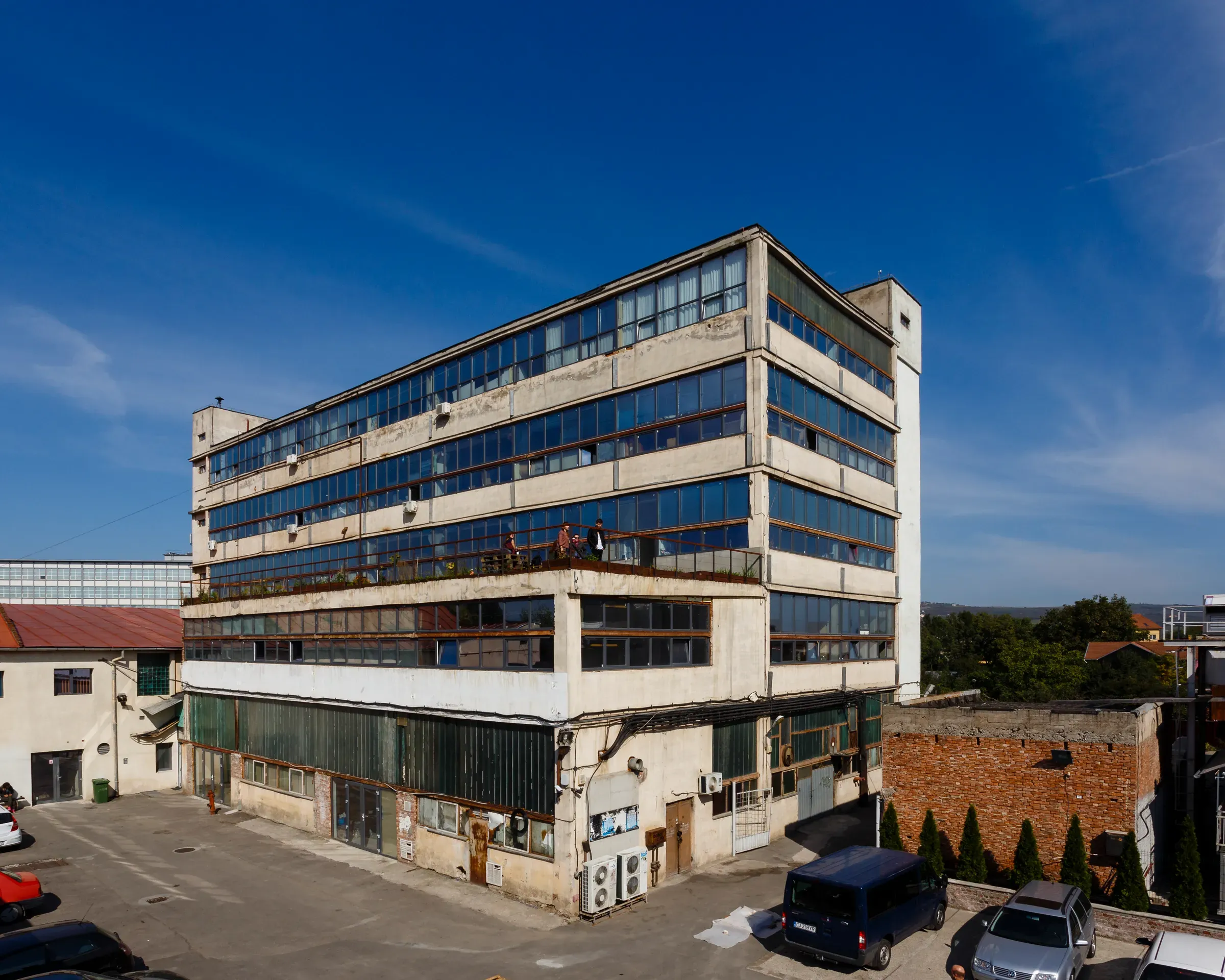
More than fifty artists, gallerists and cultural managers, Plan B among them, start an independent centre in a former paintbrush factory in Mărăști: two thousand square metres and twenty-nine spaces, studios, galleries, exhibition rooms and performance halls. Marius Bercea co-founds the Laika collective here.
On BestCluj Fabrica de PensuleMarius Bercea
Sources: Wikipedia, Fabrica de Pensule (consulted 2026-09-10) · Gallery Weekend Berlin, portretul Plan B (consulted 2026-09-10) · Wikipedia, Marius Bercea (consulted 2026-10-19)
Helgathies / Wikimedia Commons, CC BY-SA 4.0 -
2022: The Factory closes
After thirteen years and more than two thousand events, the Paintbrush Factory closes for good in March 2022. The team’s statement calls the closure “a collective failure”: of the community, of local and national authorities, and of international partners.
On BestCluj Fabrica de PensuleThe Paintbrush Factory closed in 2022, not 2019. A correction, and what actually happened
Sources: Cultura la dubă, anunțul închiderii (consulted 2026-09-10)
04 · 2022–2026
After the Factory
A third pavilion, new addresses in the centre, and an old house opened to the public.
-
2024: Șerban Savu, “What Work Is”
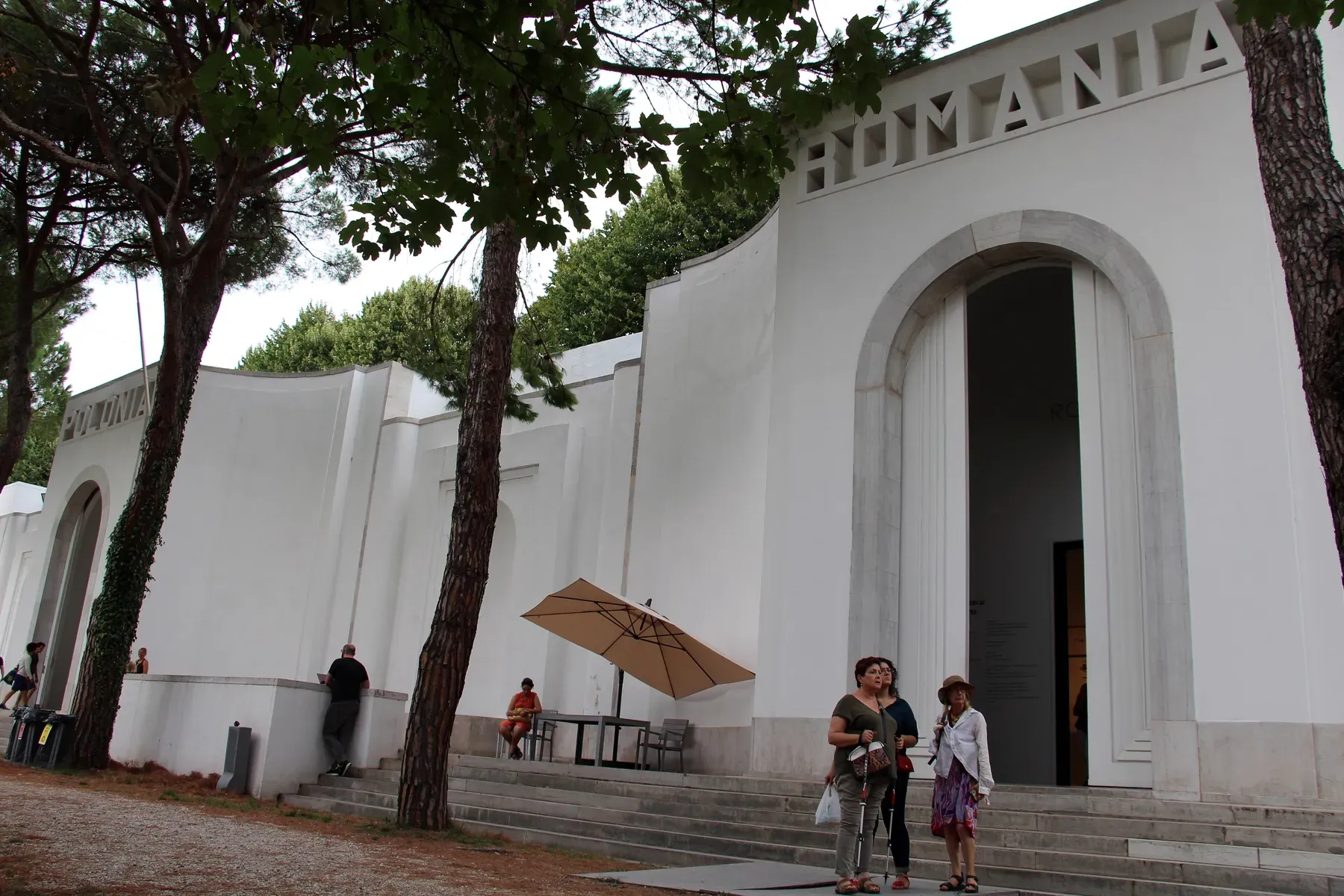
Șerban Savu, a UAD Cluj graduate who lives in Cluj, presents “What Work Is” at the Romanian Pavilion in the Giardini, at the 60th Biennale. The curator is Ciprian Mureșan, and the project is supported by Galeria Plan B: the third time the gallery is behind the national pavilion.
On BestCluj Șerban SavuCiprian MureșanPavilionul României la Bienala de la Veneția
Sources: Galeria Plan B, Șerban Savu (consulted 2026-10-19) · Radio România Internațional, „What Work Is” (consulted 2026-10-19)
Fred Romero / Wikimedia Commons, CC BY 2.0 -
2026: The Plan B Foundation, in Casa Bogdánffy
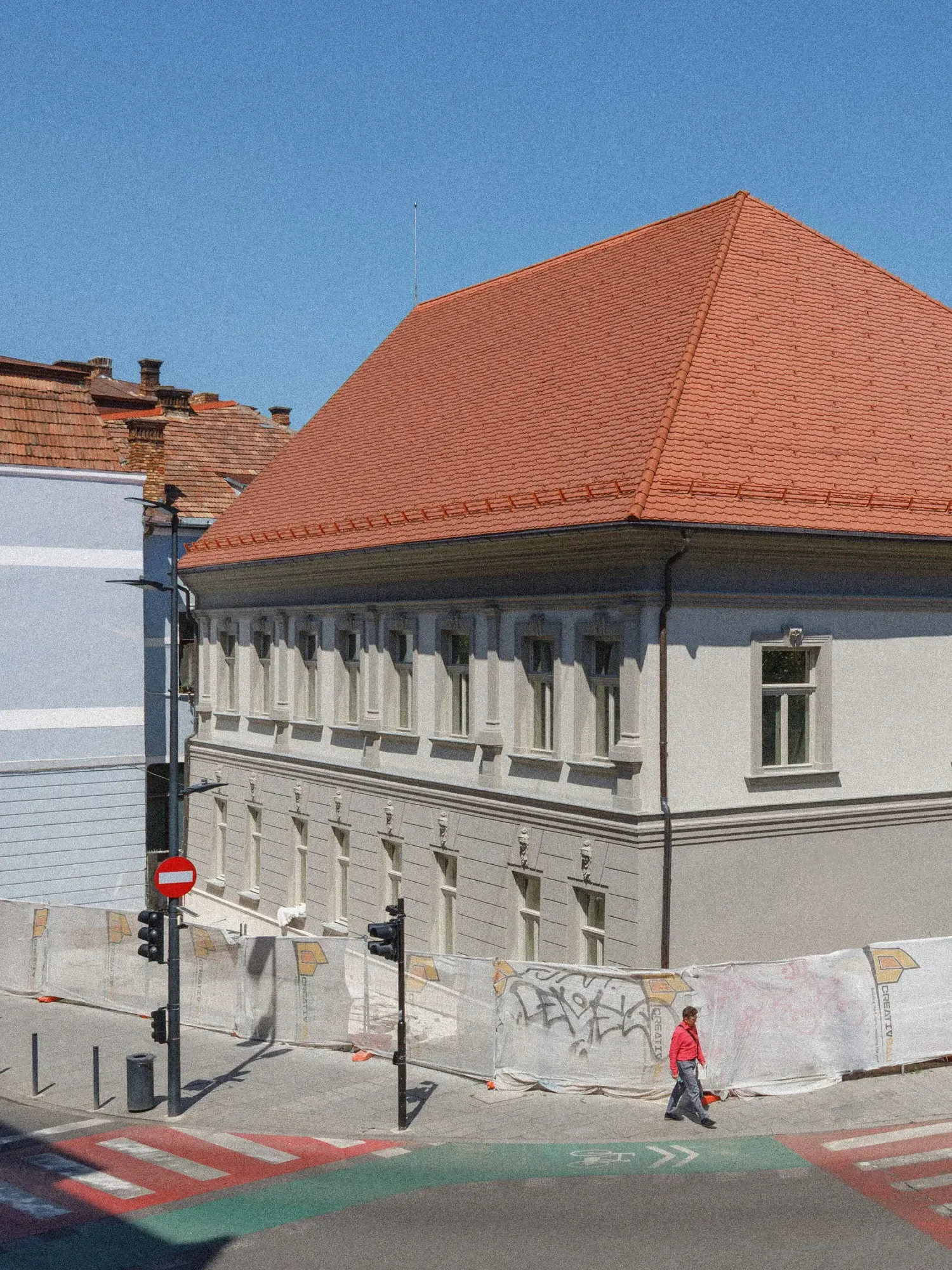
On 18 September 2026 the Plan B Foundation, the gallery’s non-commercial arm, opens Casa Bogdánffy at Avram Iancu 1 as a public space for exhibitions, research and debate. Its first exhibition, “Inauguration”, runs until 22 November and hangs Piero Manzoni beside Ciprian Mureșan and Șerban Savu.
On BestCluj Fundația Plan B — Casa Bogdánffy
Sources: Fundația Plan B (consulted 2026-09-10)
Bogdan Stanciu / Facebook -
Today: Centrul de Interes, in Casa Hintz
Another answer to “what came next”: Centrul de Interes gathers studios and creative spaces in Casa Hintz, at Regele Ferdinand 1, in the centre rather than in an industrial hall in Mărăști. It publishes its hours, holds exhibitions and gives guided tours on request.
On BestCluj Centrul de InteresWhat came after the Paintbrush Factory: a house in the centre, five reviews, and an exhibition that is open
Sources: Centrul de Interes (consulted 2026-09-11)
Where to see the story today
What is open now at the places in the story, from the programme we read every night.
- 10 Sept – 14 Nov Pleiades Galeria Plan B
- 9 Oct – 14 Nov Cristian Opriș · Not Fuji Centrul de Interes
- 28 Oct – 1 Nov Vicky Tsalamata. La comédie humaine. The Human Condition in the 21st Century Muzeul de Artă Cluj-Napoca
- 1 Nov La comédie humaine. The Human Condition in the 21st Century Muzeul de Artă Cluj-Napoca
- 13 Nov – 2 Dec Részegh Botond: Látod? · Vezi? · See? · Interferences 10 Muzeul de Artă Cluj-Napoca
Nothing announced at these places yet. The programme updates every night.
The places Fundația Plan B — Casa BogdánffyCentrul de InteresMuzeul de Artă Cluj-NapocaUniversitatea de Artă și Design din Cluj-NapocaGaleria Plan B The whole city programme →
Checked on 2026-10-19. The Paintbrush Factory closing date was corrected from 2019 to 2022; the correction has its own piece in the journal.
The story goes on every night: what BestCluj does today.