News
Byzantine Art Days, 21–24 October: papers, illuminated manuscripts and Byzantine chant
The 22nd edition of the Academy of Byzantine Arts and Studies symposium runs at UAD’s Casa Matei, the Romanian Academy Library and the Ethnographic Museum. Entry to every event is free.
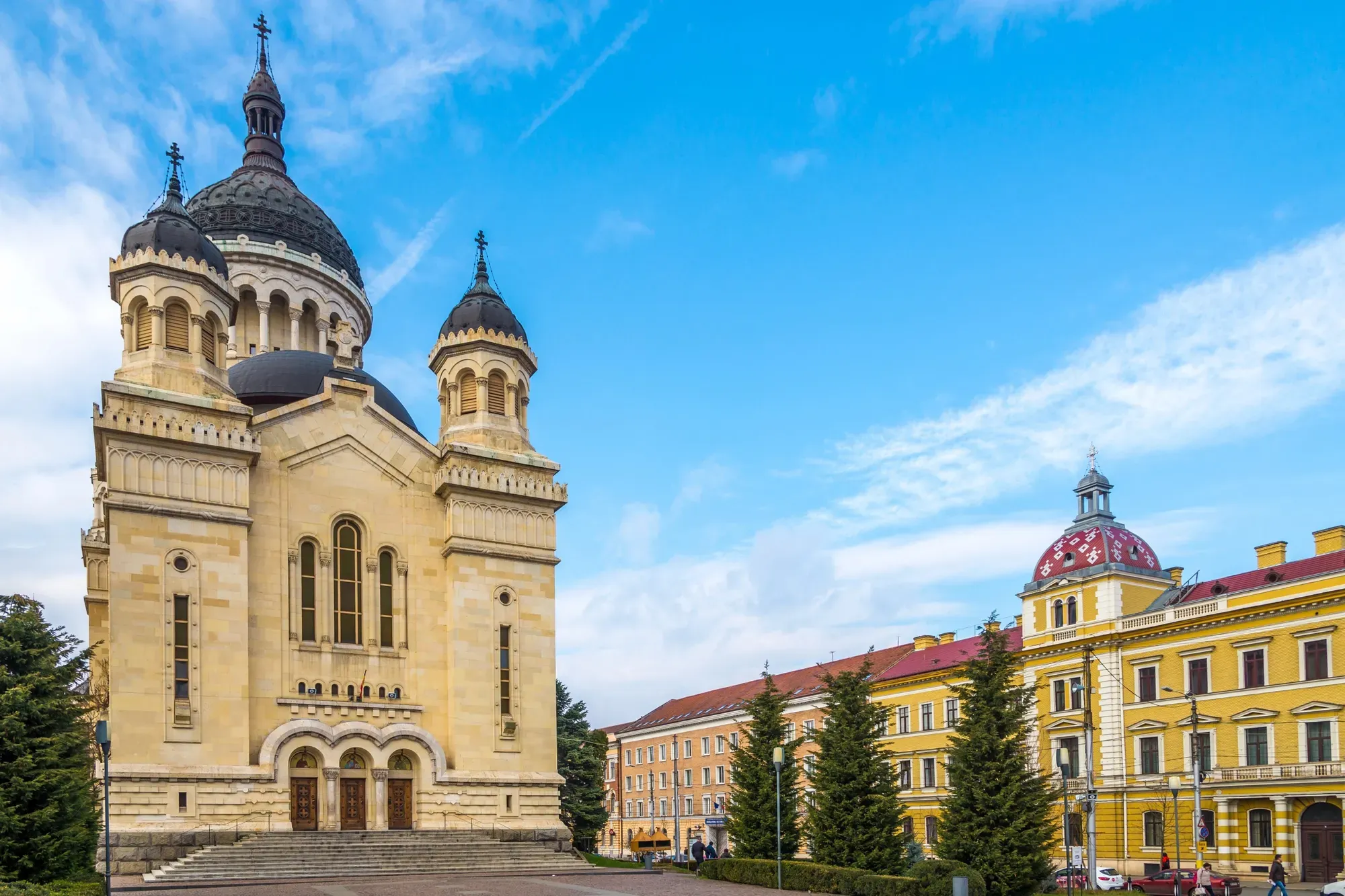
From 21 to 24 October, the Academy of Byzantine Arts and Studies in Cluj-Napoca holds the 22nd edition of the international symposium “Byzantine Art Days”. This year’s theme is “Visual Language in Byzantine Art”, and the programme brings together researchers, artists, musicians and students from Romania and abroad.
The programme, day by day
On Wednesday 21 October the first session of papers runs from 10am to 2pm at Casa Matei, part of the University of Art and Design, on subjects from 16th-century Romanian icons to the church at Densuș. The day opens at 8am with the Liturgy at the Metropolitan Cathedral on Piața Avram Iancu and ends at 6pm with Vespers at the parish in Chinteni.
On Thursday 22 October the papers move to the Romanian Academy Library in Cluj-Napoca and centre on a single music manuscript, BAR gr. 362, written by Parthenios Zgoutas in 1726. At 4pm an exhibition of illuminated Byzantine manuscripts by the Academy’s students and collaborators opens there, followed by a short concert of Byzantine chant.
On Friday 23 October at noon, at Casa Matei, Elena Ene Drăghici-Vasilescu, a professor at the University of Oxford, receives an honorary doctorate and lectures on the Byzantine legacy in the Romanian lands and on the princely church at Curtea de Argeș.
On Saturday 24 October at 5pm, at the Ethnographic Museum of Transylvania in the Reduta Palace, an exhibition of Byzantine art by students of the Academy and of the Sacred Art section of the Orthodox Theology Faculty opens. The edition closes the same evening with a concert of Byzantine chant.
Who sings
The music comes from the Academy’s “St John of Damascus” choir, led by Sorin Albu, the edition’s guest Grigorios Anastasiou of the Institute of Byzantine Musicology of the Church of Greece, and the cantors’ choir of the Holy Prophets Moses and Elijah parish in Valea Fânațelor.
Context
The symposium returns every year. At its 20th edition, in 2024, the Ethnographic Museum of Transylvania likewise hosted an exhibition of Byzantine art and a concert of Byzantine music, together with the launch of a book on the canons of the Great Feasts.
Casa Matei, where Wednesday’s papers and Friday’s ceremony take place, is Casa Matia on Strada Matei Corvin, the house where Matthias Corvinus was born and, since the second half of the 20th century, a building of the University of Art and Design.
The Romanian Academy Library, where Thursday’s papers discuss the 1726 manuscript, was founded in Bucharest in 1867 and has branches in Iași and Cluj. Its purpose is to gather and keep the national holdings of manuscripts and printed books.
Source
The programme is the one announced by the Ethnographic Museum of Transylvania on 19 October 2026. The context comes from the sources below.
Sources
- Programul ediției a XXII-a, comunicat din 19 octombrie 2026 muzeul-etnografic.ro · consulted 2026-10-19
- Ediția a XX-a, 2024, pe site-ul vechi al Muzeului Etnografic vechi.muzeul-etnografic.ro · consulted 2026-10-19
- Biblioteca Academiei Române: înființare, filiale, rost ro.wikipedia.org · consulted 2026-10-19
What this is about
- Muzeul Etnografic al Transilvaniei →
The richest collection of traditional craft in the region — and the natural starting point for any conversation about the Romanian blouse, pottery or weaving.
- Universitatea de Artă și Design din Cluj-Napoca →
The city's artist factory. Almost the whole generation labelled the “Cluj School” trained here.
- Casa Matia →
The oldest Cluj palace from the passage between Gothic and Renaissance, the house where Matthias Corvinus was born — and, since the second half of the twentieth century, a building of the University of Art and Design.